

Do you have a will? You really should.

70% of South Africans die without a will, leaving their families to deal with a great amount of administration, while grieving

If you’re wondering whether you need a will, you probably do. 70% of South Africans die without a valid will, leaving their families to deal with a great amount of administration, while grieving.


By creating a will, you protect your family by lessening the administrative burden while grieving your death and allowing them to get access to funds or assets which could be essential for their ongoing maintenance and support.

If you die without a will, your estate is administered in terms of the laws in the Intestate Succession Act, which prescribes a structure for dividing up your assets between family.


To appoint your own executor

Writing a will allows you to appoint an executor who will take care of the administration of your estate upon your passing. Quickwill allows you to choose your own executor, but provides the option of choosing the Quickwill Estate Administrators in the event that you have no one of your own to appoint. Quickwill's Estate Administrator is the law firm, Fairbridges Wertheim Becker Inc., with a presence in both Cape Town and Johannesburg.


We recommend you choose your own executor, who can then negotiate the legally prescribed maximum fee of 3.5% (plus VAT) on the gross value of your estate, when the time comes. By appointing the executor you are eliminating the process where your family need to nominate executors (with motivation) which then needs to be approved by the Master of the High Court before they can proceed with the administration of your estate.


Easily accessible inheritance to minor children

Another consideration with minor children is to ensure that they can readily access their inheritance. This can be achieved by leaving their portion of the inheritance to your spouse and their parent with the understanding that they will apply this inheritance towards the care of the family. Alternatively, you can create a Children’s Trust in terms of which the children’s inheritance is kept and managed until the trust terminates. You can choose when the trust terminates. In the absence of an arrangement like this, the children’s inheritance will be held by the Guardian’s Fund (a government association) and their guardian’s will have to apply for funds to be released as and when the children need it, making it a slow and administratively intensive process.


For swift administration of your estate and peace of mind

You may find yourself in a situation where you do not have a lot of assets or money, and think that it’s not necessary for you to have a will because your estate is too small. If you have people who are dependant on you for financial help for schooling or medication for instance, having a will ensures that the monies that can help them is released much sooner than if you were to die intestate.

To leave gifts or assets to specific people / charities

Should you have assets or money that you want to leave to specific people or charities, it is important to put those in your will, otherwise those wishes of yours cannot be legally adhered to.

It’s clear that having a will safeguards and protects your family, while ensuring your wishes are adhered to and your estate is administered in an organised and swift manner. 


Start drafting your will now at www.quickwill.co.za! We have online support to help you through the process if you get stuck or have any questions.
 

Get to know us, Part 2

Here at Retire At Home, we are very fortunate to have a dedicated staff who looks after our clients.


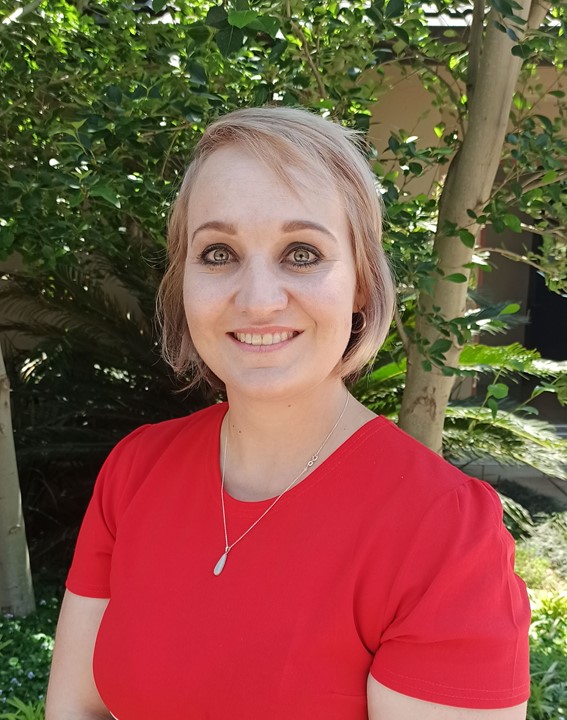
At the head of our nursing staff, we have Sr Maricel Potgieter, the Nursing Director at Retire at Home.


Maricel Potgieter completed her degree in Nursing at Tshwane University of Technology in 2010. Her Community service year was done in the oncology ward at Tshwane Hospital. After that, she began working back her bursary to Life health care at the Wilgers hospital, starting in the Oncology ward. After six months she moved to theatre and soon developed a passion for assisting there.


After having two children, the long hours that accompany theatre nursing prompted a move to a more informal nursing environment - Pick 'n Pay Primary Health clinics- that would allow for more time to spend with her family. It is during her time there that she met Neil and Jo in 2019 and was introduced to Retire at Home. A career at Retire At Home provided an exciting opportunity to apply her passion for people and her experience in the Nursing field, to the business world.


Her absolute passion for her job is evident in her relationships with her patients and her staff, and the way she fulfils her role as Nursing director.


We are grateful to have Sr Maricel as part of our team here at Retire At Home.

Day of the Older Person

A society that does not value its older people denies its roots and endangers its future. Let us strive to enhance their capacity to support themselves for as long as possible and, when they cannot do so anymore, to care for them.” – Nelson Mandela.

1 October is National Day For Older Persons, an Internationally celebrated holiday. The holiday is celebrated by raising awareness about issues affecting the elderly such as senescence and elderly abuse. It is also a day to appreciate the contributions that elderly people make to society.


Naturally, we at Retire At Home greatly value this day.


For so many of us, life has become so busy it is passing us by at an alarming pace. As children, we wish we could be older, and when we reach adulthood, responsibility weighs heavily on us. By the time we reach our senior years, the experience and life lessons we have gained can fill books.


As we celebrate, International day of older persons, let us be reminded to spend time with our loved ones. Ask for their stories, listen to the advice they have, make them feel valued. Honouring the sacrifices they have made and the work they have done. Let us teach our children to value their grandparents and treat them with love and respect.


A society is built upon the contributions of many generations, and to disregard one group of our community, in the words of Nelson Mandela, could endanger our future.


Love the people around you, spend time with them while you can, and care for those who can no longer care for themselves - they deserve it.

Get to know us

“Great things in business are never done by one person. They’re done by a team of people.” – Steve Jobs

Retire at Home started as a small sideline business, born from an experimental initiative to train individuals in basic care and skills. It soon became clear that there is a need for specialised caregivers in care centres for the elderly as well as home-based care for the elderly. A few adjustments to our product were made and Retire at Home was born.


The founders, Jo Pelser - Chief Operating Officer and Neil Pelser - Chief Executive Officer, ran the business in their free time while both still working full time. After a year, the company had grown to the extent that they both quit their jobs at the time, and started working full time for Retire at Home. Another year later, it became clear that a third member was needed to support the financial and administrative responsibilities of the company. Angelique Van Der Zee joined the company as the third full-time employee with Jo and Neil.


Leaving the corporate setting, Angelique brought her experience as an internal auditor and financial manager, to the company. As the company grew, her role evolved to eventually becoming the chief financial officer as well as a stakeholder.


Annemarie Viljoen joined the company in July 2016, assisting with the day to day running of the office and the financial side. In December 2019 Maricell Potgieter joined the managing team, specifically to manage the nursing team and liaise with clients. 

Antoinette Van Niekerk joined the team in 2020 as Marketing Manager after working for sister company Dance Mouse Pretoria.

The administration team was strengthened by Amanda de Swart joining the team in April 2020, after working in office administration for over ten years at her previous employment.

Together we run what we call the back office, which is the support team for the operational side, from head office. 


The success of any business relies on the quality of the team, and at Retire at Home, the team is exceptional. Over the years, there have been changes to the members as the company structure changed to adapt to expansion and other factors. We are privileged to be part of a dynamic team. 


We believe in equipping and preparing a younger generation, specifically in the field of caring for the elderly. Each generation has a unique approach to life, both in business and a more social aspect. By combining the wealth of knowledge and experience that comes with age and the unique approach and initiative that comes with youth, we created a dynamic and sustainable business - providing a superior service in the industry.


"Individual commitment to a group effort - that is what makes a team work, a company work, a society work, a civilisation work." --Vince Lombardi

What are my options when considering care for my loved one?

Arriving at the decision to make use of alternative care options for a loved one, is not an easy thing.


Arriving at the decision to make use of alternative care options for a loved one, is not an easy thing.  Reaching the decision involves emotional and physical strain and takes its toll on the family and the patient.


Knowing what your options are when you reach this step can be of great help.


Here is a list of the options available to you in South Africa and a short description of each:

 
Living with family.

For some, permanently moving in with family is an option.  In these cases, the family take over the responsibility of looking after an elderly family member. These families have the option of home-based care assistance should they need it.

 
Retirement Villages.

Retirement villages are commonly known in South Africa and can be found all over the country.  They consist of smaller type homes in a

 secure complex, owned by the residents. Owners are mostly self-

sufficient and need little to no assistance. These facilities normally do not offer medical support. Should the residents require it, help is contracted, and residents pay for the service as they use it.  This is a great option to consider if your or a loved one is looking for a  community of like-minded citizens to live in, and there are no major medical needs involved.

 
Nursing homes.

Nursing homes look after elderly citizens who need some assistance, whether it is of a personal or a medical nature. These facilities consist of a variety of housing options ranging from stand-alone apartments to medical suites within the sickbay.  Most nursing homes have their own medical staff providing care to the residents, and these costs are generally included in the living costs. There are also specialised facilities available to those who need full-time care and medical attention.


This is a great option for families who are not able to manage the care of a loved one and need professional help in a full-time capacity. It is important to note that this can be an expensive option.  Prices vary greatly from one facility to another as does the quality of service. Make sure to visit any facility you are considering, ask the questions you have and get a feeling of the facility in general.

 
Home-based care.

This is the perfect option for those who have a difficult time adjusting to the idea of moving. Most senior citizens prefer the comfort of their own home, the place they feel safe.  Home-based care is a very wide field of care. It can accommodate most types of care, from simply providing companionship, helping with basic household chores, assisting with personal care, to providing full-time medical assistance. 


When considering home-based care, the family of a patient or the patient themself contact a provider and set up an assessment. After an in-depth assessment, a care plan is developed to suit each clients individual needs. A care worker is determined to suit the needs of each patient while also taking into consideration the suitability of the care worker and the patient.


Home-based care is generally billed per hour of service needed, so affordability is easily taken into account. Full-time, stay-in options are also available with most companies offering specialized packages to clients making use of this option.


Home-based care companies are also available to citizens living in Retirement villages or Nursing homes. Care workers are assigned to the residence of a client irrespective of where it is.


Make sure to consider all the options available to you and to weigh up the costs involved.  Senior care can be very expensive, and it is very important to be informed of all the pros and cons before making a decision.


At Retire At Home we offer a free assessment to any prospective clients to determine the level of care they require and develop a personal care plan.

Locking down the elderly

Coronavirus. A single word that not only spreads disease and death, but fear, anger, and even panic.  All over the world countries have had to place strict measures in place to try and manage the outbreak of the virus and hopefully curb the spread to save the lives of people.  South Africa is no different.


We are amid an ongoing lockdown of which the rules change from time to time; currently, we are allowed some movement, the economy is partly open, and people have started to return to the workplace. Social gatherings are still not allowed, and the sale of tobacco and alcohol continues to be prohibited.


One of the most noticeable changes in the lockdown regulations currently is the opportunity to see other people. We are allowed to go back to work where we can interact with co-workers, we are allowed to go to a mall and eat at a restaurant, exercise outside of our own homes, attend religious gatherings, and even though it is strictly not allowed - people have friends and family over.


There are, however, some people who are still very isolated from the rest of society, specifically our elderly living in old aged homes and retirement villages.  These institutions are under very strict instructions from the government, and as a result, almost no visitors are allowed to enter these facilities.


According to research and information given by various sources, it is believed that the elderly are at greater risk of contracting the virus and it possibly being fatal.  This is the driving force behind the extreme measures being taken when it comes to the elderly.


Sadly these restrictions are having a negative effect on the mental wellbeing and even physical wellbeing of our elderly.  Being isolated for an extended period with no definitive end in sight is taking its toll.  We are seeing an increase in suicide numbers in these facilities, people who are passing away with family members unable to visit, and general health deteriorating due to the psychological strain isolation in taking on the elderly.


We at Retire At Home understand the need to protect our elderly from a potentially life-threatening virus, and that an outbreak in one of these facilities could be catastrophic.  However, we believe that we need to look after the physical as well as the mental and emotional wellbeing of our elderly. 


There are many ways we can minimise the opportunity for infection while still allowing our elderly to interact with their loved ones and friends. Virtual meetings are a great option for most. Still, it is not always accessible for all. Some are in frail care or even sickbay due to sickness unrelated to Covid-19 and denying them the opportunity to see a loved one is heartbreaking.  Most of these facilities have well-trained care workers and medical staff that can ensure all safety precautions are adhered to if a family member needs to visit a sick patient.  The compulsory wearing of a provided mask and "overcoat",  extreme sanitisation and minimal physical interactions are just some of the precautions that can be taken to make these visits possible.


Ensuring that the residents keep active is vitally important and entirely possible within the rules and restrictions. Interaction in various forms can be extremely beneficial in this time, and it is the responsibility of each facilities management team to explore safe ways to do so.  


The wellbeing of our loved ones rely on our adaptability and willingness to understand the needs that come with the elderly.  Let us look at this time as an opportunity to re-evaluate and learn.  Everyone deserves care and comfort in their old days, let us not deny them this due to current circumstances, but instead look at new ways of making this possible while still taking into consideration the rules and regulations.

When is it time to consider additional care for my loved one?

Imagine waking up one morning, swinging your legs out of bed only to realise, "swinging" is no longer an option for you, it's more like attempting an eight-point turn to get out of bed. The relaxing baths you once took now feels like a chore, keeping your balance getting in and out of the tub, managing to get up from your seated position in the tub, everything requires more effort than it used to.


For many of us, acknowledging our shortcomings and weaknesses is not easy.  Accepting that we have aged and our abilities have lessened is a hard pill to swallow. We are all aware that we are ageing with every birthday we celebrate, but as we enter our senior years, the fact that we have aged starts to become a reality we have to face.


For many, this is hard to come to terms with.  Refusing to admit that we need help is understandable and even normal.  From infancy, we are raised to become self-sufficient; it is within our nature. When this is no longer within our ability, we often struggle to accept it.


As we are all different and we age differently, it is helpful to know what are some of the common signs to look out for to determine if assistance is necessary, before approaching the subject of with a loved one.


Some of the most obvious signs that indicate a need for assistance include our auditory and visuals senses: eyes and ears.  A lack of hearing or impairment in eyesight can be very difficult to manage alone and could potentially be dangerous. 


Personal grooming can be another indicating factor to look out for. Seemingly simple tasks like taking a shower or bath, using the restroom, brushing your teeth or getting dressed become increasingly hard for the elderly and needing help with these tasks is very common.


Forgetfulness or any form of dementia is another indicator that help is needed.  Leaving our loved ones alone can be stressful if memory loss is involved.  Having assistance in this situation is of immense importance.


Other more obvious indicators include chronic illness, disability, wound treatment, recovery from a medical procedure and frail care.


When considering assisted living, be sure to include your loved one in the conversation and decision if the situation allows it. Making them feel part of the process often help with the adjustment. 


Remember that there are various options available when it comes to getting assistance for your loved one.  Assisted care facilities is a well-known option, but it might be worth looking at options like a part-time care worker or even a live-in care worker. 


At Retire At home, we have a range of options available to suit each clients individual needs.  We have a registered nurse that does a thorough assessment to determine the need of the patient and propose a care package. Feel free to contact us for a free evaluation and to find out more about the options available to you and your loved one.

How Do I Look After My Child’s Health at School?

As parents, we greatly value the health of our children.  We do everything we can to avoid them getting sick because a sick child is the worst!

Not only do we have to witness a tiny body struggling with feeling ill, but it also puts extra pressure on us with regards to running the household and work responsibilities.  I think I speak for all of us when I say, keeping our children healthy is super important.


This can be especially challenging in winter. Chilly early mornings going to school, being around other potentially sick kids in the classroom, refusing to wear warm clothes ("I'm not cold!" or "I'm SO hot, please can I take off my jacket?" We all know these phrases.) are all factors that add to the struggle.


This year, however, we have had an unexpected change in our circumstances with the outbreak of COVID-19.  We've had to keep our children at home for the past three months. As we know for the most part children are not at risk of falling ill with COVID-19, those with pre-existing conditions being the exception to the rule, they do however pose the threat of spreading the virus. By isolating our children, we kept them from coming in contact with any persons or places that might put them at risk of contracting COVID-19 and potentially spreading it.


This has had the added benefit of avoiding viruses and bacteria that they would have been exposed to were they going to school during this time. It also conveniently coincided with the change of seasons and harsh cold fronts,  aiding in our ongoing efforts to keep our children healthy.


Avoiding bacteria and viruses help immensely in our efforts; it is, however, not sustainable.  Our current rules with regards to lockdown once again allow for free movement to public spaces like shopping malls and the reopening of schools, significantly increasing their exposure and the risk of illness.


While it has been beneficial to keep our children at home for this extended period, re-introducing them to these environments comes with some risk.  Think of it like a baby or toddler starting school for the first time; there is a month or two, where it feels like your child catches every illness under the sun. Looking back at that time, we now understand it was our child's immune system adjusting to its environment.  The same applies to our children at the moment.  Not being exposed to groups of people or public situations for the last three months now puts their immune system in a position where it might have to readjust once again. This is unavoidable, but there are things we as parents can do to aid them in this process.


Nursing Director at Retire at Home, Sr. Maricel Potgieter, gives a few tips on boosting your child's immune system during this time.


"Vitamin C is a great way to boost your child's immune system. There are many different Vit C syrups available, use your discretion as to which one your child will take without a hassle as it is most effective taken daily.  I also opt for Zinplex; it has a pleasant taste that my children don't mind."


"A multivitamin is a great option for picky eaters as it has a combination of vitamins and minerals to balance out their bodies need with their daily food intake.

Scotts Emulsion is another great option as it has added vitamin D."


"I follow a Monday to Friday routine, daily supplements Monday to Friday, and over weekends we take a break."


A few useful tips to remember:


Runny or blocked nose:

"A runny nose is preferable to a blocked nose, try not to opt for a medication to dry up the nasal passages straight away.  A runny nose might simply be a reaction to cold, an allergic reaction due to seasonal changes or the immune system reacting to something.  If the problem persists for more than a few days on end, then you can consider aiding with a nose spray."


Difficulty breathing:

"In difficulty breathing as a result of a blocked nose, a saline nasal spray is a good option.  I am old school and still believe in Vicks under the foot with a sock on during the night for the relief of congestion.  Immediately see your doctor if difficulty in breathing persists or worsen. A wheezing sound when breathing needs immediate medical attention."


"Often, nasal congestion leads to mucus in the throat and sinuses. A good way to thin out mucus is nebulising.  ACC200 and Amuco are two examples of medication that can be given to thin out mucus, but there a many others. Enquire with your local pharmacist. Thinning out mucus makes it easier for the body to expel the excess mucus by coughing.  If mucus becomes thick, it can lead to breathing problems; it is best to see a doctor immediately."  


"If you notice any strange sounds when your child breathes or their chest contracts inward when breathing, go to the emergency room immediately."


Fever:

"Running a slight fever is common in children and often does not warrant a visit to the doctor.  A temperature under 38 degrees can be treated with Panado or your choice of fever medication. If the fever persists at 38 after medication, see your doctor as this might be an indication of a more severe illness. If a child's fever exceeds 38 degrees, it is best to see a doctor as children are at risk of fever fits at 39 degrees. "


Disclaimer:

This article aims to inform parents and not to replace professional medical advice. The advice given is the opinion of Sister Maricel and is not intended to be used as fact or rule. Always seek professional medical help if you are uncertain with regards to the health of your child.

As parents, we greatly value the health of our children.  We do everything we can to avoid them getting sick because a sick child is the worst!

Not only do we have to witness a tiny body struggling with feeling ill, but it also puts extra pressure on us with regards to running the household and work responsibilities.  I think I speak for all of us when I say, keeping our children healthy is super important.


This can be especially challenging in winter. Chilly early mornings going to school, being around other potentially sick kids in the classroom, refusing to wear warm clothes ("I'm not cold!" or "I'm SO hot, please can I take off my jacket?" We all know these phrases.) are all factors that add to the struggle.


This year, however, we have had an unexpected change in our circumstances with the outbreak of COVID-19.  We've had to keep our children at home for the past three months. As we know for the most part children are not at risk of falling ill with COVID-19, those with pre-existing conditions being the exception to the rule, they do however pose the threat of spreading the virus. By isolating our children, we kept them from coming in contact with any persons or places that might put them at risk of contracting COVID-19 and potentially spreading it.


This has had the added benefit of avoiding viruses and bacteria that they would have been exposed to were they going to school during this time. It also conveniently coincided with the change of seasons and harsh cold fronts,  aiding in our ongoing efforts to keep our children healthy.


Avoiding bacteria and viruses help immensely in our efforts; it is, however, not sustainable.  Our current rules with regards to lockdown once again allow for free movement to public spaces like shopping malls and the reopening of schools, significantly increasing their exposure and the risk of illness.


While it has been beneficial to keep our children at home for this extended period, re-introducing them to these environments comes with some risk.  Think of it like a baby or toddler starting school for the first time; there is a month or two, where it feels like your child catches every illness under the sun. Looking back at that time, we now understand it was our child's immune system adjusting to its environment.  The same applies to our children at the moment.  Not being exposed to groups of people or public situations for the last three months now puts their immune system in a position where it might have to readjust once again. This is unavoidable, but there are things we as parents can do to aid them in this process.


Nursing Director at Retire at Home, Sr. Maricel Potgieter, gives a few tips on boosting your child's immune system during this time.


"Vitamin C is a great way to boost your child's immune system. There are many different Vit C syrups available, use your discretion as to which one your child will take without a hassle as it is most effective taken daily.  I also opt for Zinplex; it has a pleasant taste that my children don't mind."


"A multivitamin is a great option for picky eaters as it has a combination of vitamins and minerals to balance out their bodies need with their daily food intake.

Scotts Emulsion is another great option as it has added vitamin D."


"I follow a Monday to Friday routine, daily supplements Monday to Friday, and over weekends we take a break."


A few useful tips to remember:


Runny or blocked nose:

"A runny nose is preferable to a blocked nose, try not to opt for a medication to dry up the nasal passages straight away.  A runny nose might simply be a reaction to cold, an allergic reaction due to seasonal changes or the immune system reacting to something.  If the problem persists for more than a few days on end, then you can consider aiding with a nose spray."


Difficulty breathing:

"In difficulty breathing as a result of a blocked nose, a saline nasal spray is a good option.  I am old school and still believe in Vicks under the foot with a sock on during the night for the relief of congestion.  Immediately see your doctor if difficulty in breathing persists or worsen. A wheezing sound when breathing needs immediate medical attention."


"Often, nasal congestion leads to mucus in the throat and sinuses. A good way to thin out mucus is nebulising.  ACC200 and Amuco are two examples of medication that can be given to thin out mucus, but there a many others. Enquire with your local pharmacist. Thinning out mucus makes it easier for the body to expel the excess mucus by coughing.  If mucus becomes thick, it can lead to breathing problems; it is best to see a doctor immediately."  


"If you notice any strange sounds when your child breathes or their chest contracts inward when breathing, go to the emergency room immediately."


Fever:

"Running a slight fever is common in children and often does not warrant a visit to the doctor.  A temperature under 38 degrees can be treated with Panado or your choice of fever medication. If the fever persists at 38 after medication, see your doctor as this might be an indication of a more severe illness. If a child's fever exceeds 38 degrees, it is best to see a doctor as children are at risk of fever fits at 39 degrees. "


Disclaimer:

This article aims to inform parents and not to replace professional medical advice. The advice given is the opinion of Sister Maricel and is not intended to be used as fact or rule. Always seek professional medical help if you are uncertain with regards to the health of your child.

Planning For Happiness

How do we decide what is important

Who would have ever thought that we would find ourselves six weeks into a national lockdown due to a global pandemic? The lockdown has been hugely disruptive and has forced many South Africans to re-evaluate their futures.


How do we even plan in a time like this? And how do we decide what is important?


There is no one-size-fits-all solution here as planning generally tends to be a very individualistic activity. A variety of factors influences our plans, including (but not limited to) our goals, our age and our financial means.


South Africans now find themselves in the same boat as every other nation. Covid-19 has changed our world as we know it, including the way we approach our preparations for both our immediate and long term futures.


This ‘new normal’ has resulted in many of us daily experiencing emotions ranging from uncertainty to dread. These are diverse and challenging emotions to navigate at the best of times, and far more so when you’re weeks into a lockdown with no certainty regarding when it will end.


Take the time to acknowledge these emotions but don’t allow them to determine your outlook exclusively. Our happiness is still within our control. What makes you happy? How is your emotional state affected in this time? How are your emotions affecting those around you?


We are in a position where we might have more time on our hands than we usually do.  How do we decide how to fill up this extra time?

Don’t feel guilty to put aside some time for the things that make you happy. Your happiness directly influences your emotions and your wellbeing.  It affects your relationships with those around you.


Realising what makes you happy provides the option of including it in your plans.  What we considered normal has changed, and along with it the way we are affected by our circumstances.  Our personal needs have likely taken a backseat in the past as the demands on our time kept increasing. It’s time to consider that pursuits we may have viewed as expedient or even self-indulgent may just be what we need right now.


We are all deserving of some happiness in our lives. Put yourself in its way – plan for it. 😉